 By Ben Alter
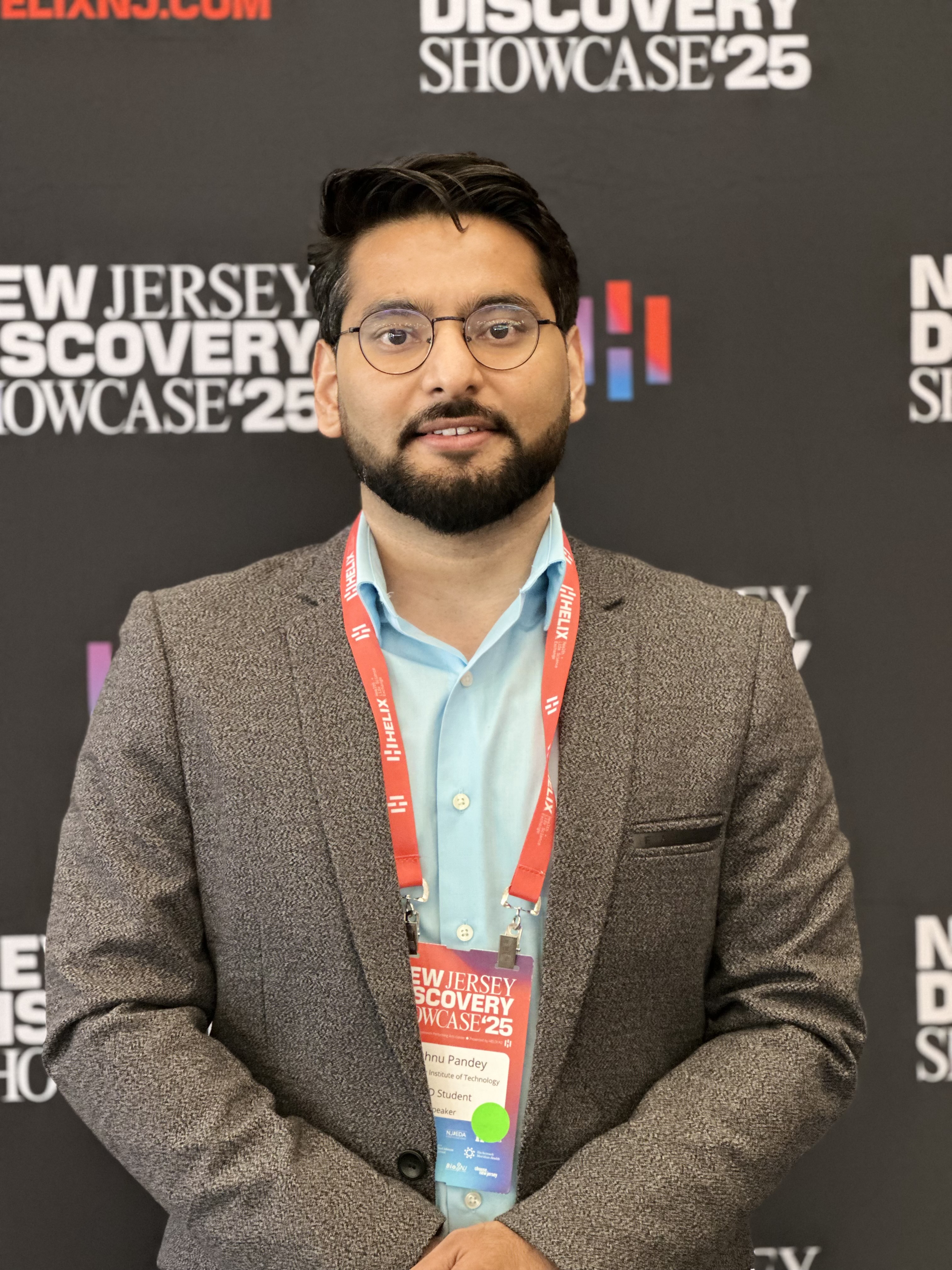
The path of Bishnu Pandey, a two-time awardee of the Elmeryl Davies Memorial Scholarship, to his doctorate degree in environmental engineering began in his hometown of Pokhara, Nepal. Known as Nepal’s tourism capital, Pokhara is famous for its spectacular views of the Annapurna Mountain Range and attracts visitors from around the world. Growing up amid such natural beauty sparked Bishnu’s curiosity about the environment and how the natural world works.
“I decided to become a scientist in high school. I was always curious and interested in understanding how things work,” Bishnu said.
Since Nepal is largely an agrarian country, he majored in agriculture in college. His first job out of school was as a microbiologist, studying how microorganisms can transform waste into valuable resources while reducing environmental pollution. That experience deepened his interest in water resources and environmental protection. Soon after, he was on a plane to Moscow, Idaho, where he earned a master’s degree in water resources at the University of Idaho, focusing on strategies to protect water quality.
The next chapter of his professional journey took him to a biotechnology company focused on innovative drinking water treatment, where he became acquainted with PFAS while working with electrochemical systems.
“The more I learned about PFAS, the more interested I became in finding ways to address the problem,” he said. “So, I decided to pursue a Ph.D. focused on PFAS remediation. When I interviewed with Dr. Arjun Venkatesan at NJIT, I was excited about the opportunity to work on PFAS research. NJIT was also close to New York City, which made it an easy choice.”
He is now pursuing his doctorate at NJIT. His research focuses on developing innovative approaches to improve the removal of PFAS, particularly short-chain compounds, from drinking water and contaminated groundwater. He is also conducting spatial analysis of 1,4-dioxane in public water systems and studying how the co-occurrence of PFAS and 1,4-dioxane can complicate remediation efforts.
Although he hasn’t been back to Nepal since starting his Ph.D. program in 2024, he remains closely connected to home, speaking with his parents every day through video calls. He occasionally visits his brother and his family, who live in Virginia. While New Jersey is far from Nepal, it provides him with ample opportunities for hiking and sports. “I’m an outdoors guy.”
Bishnu was quick to express his gratitude for how the LSRPA Foundation’s two scholarship awards eased his financial burden. He found it even more valuable to have attended this year’s New Jersey Site Remediation Conference, held in New Brunswick in March. “I really enjoyed meeting professionals from the industry and finding out where the real environmental problems are,” he said. “In some ways, I learned more speaking to people at the conference than I learned at school.”
As he continues his research at NJIT, Bishnu remains focused on developing practical solutions to improve drinking water quality and address emerging contaminants, building on his journey from Nepal to New Jersey.